Reliable HVAC Services in Edwardsville IL
Discover Comfort Year-Round: Explore Complete HVAC Systems and Services for Your Home
The critical nature of a reliable HVAC system is paramount. It performs a vital role in preserving a comfortable indoor environment throughout the year. Several options are offered, spanning from central air systems to ductless mini-splits. Each choice offers unique benefits tailored to different home needs. Knowing these systems and their benefits can considerably enhance energy efficiency and comfort. Nevertheless, the decision-making process can be challenging, necessitating further exploration of what truly suits one's home.
Grasping HVAC Systems: Categories and Performance
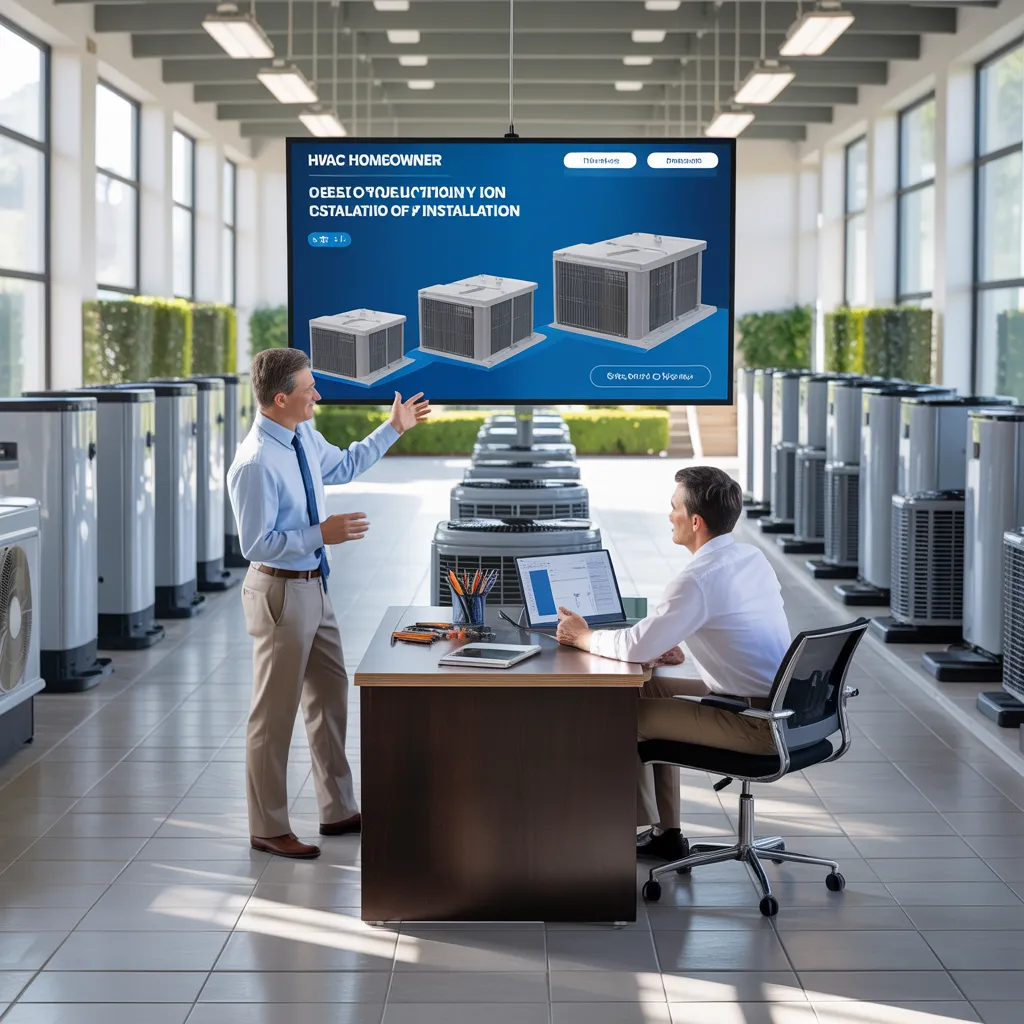
Although several homeowners utilize HVAC systems for continuous comfort, comprehending the various types and their functionalities can substantially improve efficiency and performance. HVAC systems chiefly fall into three categories: central air conditioning systems, ductless mini-split systems, and heating systems. Central air conditioning units move cooled air through ductwork, making them ideal for larger homes. Ductless mini-split systems provide flexibility by permitting homeowners to climate-control individual rooms without the need for extensive ductwork, making them suitable for smaller spaces or retrofits. Heating systems, which can include furnaces, heat pumps, and boilers, are critical for maintaining warmth during colder months. Each type works on different principles, such as air circulation or radiant heating, impacting energy consumption and comfort levels. Understanding with these systems allows homeowners to make informed decisions about installation, maintenance, and potential upgrades, in the end resulting in a more comfortable living environment.
Benefits of Energy-Efficient HVAC Systems
Energy-efficient HVAC systems provide a considerable benefit for homeowners seeking to reduce their environmental impact while reducing utility costs. Energy-efficient HVAC systems can generate substantial savings on monthly energy bills, as they consume less electricity and function more effectively than conventional systems. These systems often employ advanced technologies, such as variable-speed motors and enhanced insulation, to improve performance.
Furthermore, various energy-efficient HVAC units are eligible for tax credits and rebates, additionally improving their financial appeal. They support enhanced home comfort by maintaining consistent temperatures and improved air quality, lowering humidity levels better. Moreover, these systems generally have a more extended lifespan, leading to fewer replacements and decreased waste. By selecting energy-efficient HVAC solutions, homeowners not only enjoy immediate monetary gains but also advance long-term sustainability, generating a favorable influence on the environment while improving their living spaces.
The Significance of Expert Installation and Maintenance
When property owners purchase HVAC systems, the quality of professional installation and ongoing maintenance can greatly impact overall performance and durability. Expert installation confirms that the system operates efficiently and effectively, reducing energy waste and decreasing utility costs. Faulty installation can lead to various issues, such as substandard heating or cooling and increased wear on components, ultimately reducing the system's lifespan.
Routine maintenance is essential for preserving optimal performance. Professional technicians can identify potential problems before they escalate, assuring that the system runs smoothly year-round. Regular procedures, such as cleaning filters, verifying refrigerant levels, and examining ductwork, work to avoid costly repairs and boost indoor air quality.
Smart HVAC Technology: Elevating Home Comfort
How see guide does smart HVAC technology transform home comfort? This innovative technology enhances heating, ventilation, and air conditioning systems, making them increasingly efficient and easier to use. Smart thermostats, for example, learn household routines and individual preferences, automatically regulating temperatures for maximum comfort while minimizing energy consumption. Advanced sensors track indoor conditions and air quality, delivering real-time feedback and alerts for maintenance needs.
Additionally, smart HVAC systems can be merged with home automation systems, permitting users to control their environment remotely via smartphones or tablets. This level of control ensures that homes are always at the optimal temperature upon arrival. Additionally, some systems feature zoning capabilities, allowing tailored climate control in different areas of the home, catering to individual needs and improving overall satisfaction. As a result, smart HVAC technology not only elevates comfort but also supports energy efficiency, leading to potential cost savings on utility bills.
Strategies for Selecting the Right HVAC System for Your Home
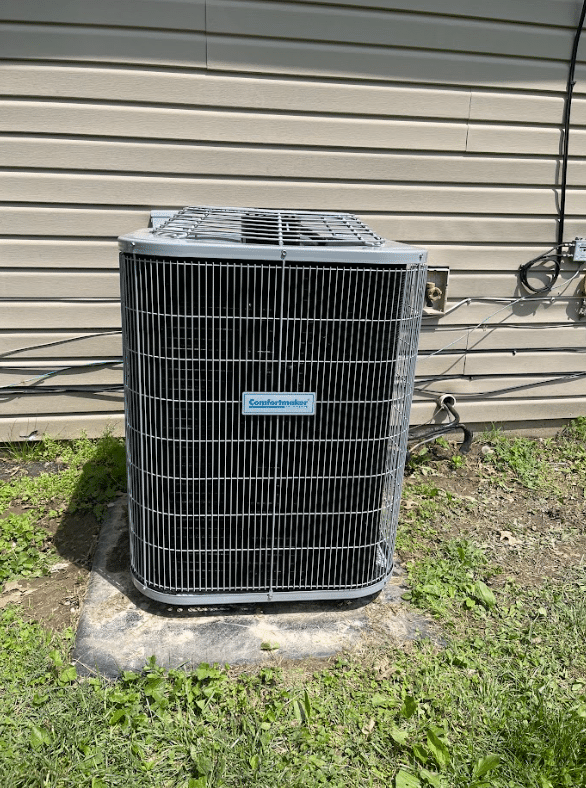
Picking the right HVAC system for a home entails thoughtful consideration of multiple factors to deliver maximum performance and comfort. Homeowners should first examine their specific heating and cooling demands based on the size and layout of their space. Energy efficiency ratings, such as SEER and AFUE, are essential in determining long-term operational costs and environmental impact.
Furthermore, local climate conditions play a vital role in determining the system best suited for the home. Homeowners should also consider their budget, not only for upfront installation but for ongoing maintenance and energy expenses.
Moreover, consulting with a licensed HVAC professional can deliver valuable insights and recommendations adapted to individual circumstances. It's vital to research reliable brands and warranty options to secure reliability and support. By carefully assessing these factors, homeowners can choose an HVAC system that boosts comfort and efficiency year-round.
FAQ
What Are the Standard Costs for Installing an HVAC System?
Standard pricing associated with HVAC system installation typically range from $3,000 to $7,000, depending on unit type, residence size, and added components. Labor and installation complexity can also affect overall costs meaningfully.
What Is the Typical Lifespan of HVAC Systems Before Replacement Becomes Necessary?
HVAC units typically last between 15-25 years, influenced by factors like proper maintenance, frequency of use, and installation quality. Regular maintenance can prolong their longevity, providing peak performance and efficiency over their lifetime.
What Are the Signs That My HVAC System Requires Repair?
Indicators that an HVAC system requires repair include strange noises, irregular temperatures, increased energy bills, odd odors, and repeated cycling. Swift attention to these indicators can stop further damage and ensure maximum system performance.
Do Any Government Incentives Available for Upgrading to Energy-Efficient HVAC Systems?
Certainly, various government incentives can be found for upgrading to energy-efficient HVAC systems. These programs typically encompass financial incentives like tax credits, rebates, and grants focused on supporting energy efficiency, thereby inspiring homeowners to invest in sustainable choices.
Can I Finance My HVAC Installation or Upgrade Costs?
Indeed, numerous HVAC service providers provide financing alternatives for installation or upgrade costs. These options generally include competitive-rate loans or monthly payment schedules, making it more accessible for homeowners to purchase efficient heating and cooling solutions.